Email: sales@kuboki.com
 +86-18906178937
Email: sales@kuboki.com
+86-18906178937
+86-18906178937
Email: sales@kuboki.com
+86-18906178937

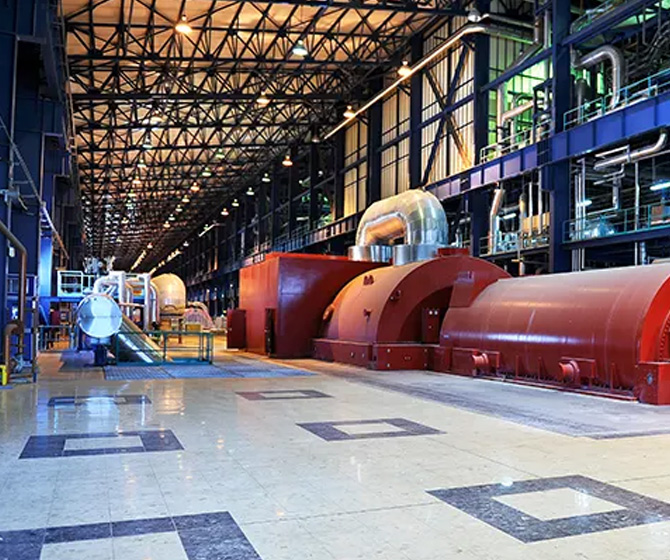
The global industrial synchronous timing belt market is experiencing unprecedented growth, with projections estimating the sector to reach $7.23 billion by 2029 at a CAGR of 6.38%. This robust expansion is primarily driven by the automotive, manufacturing, and packaging sectors.The rapid trans
The global industrial synchronous timing belt market is experiencing unprecedented growth, with projections estimating the sector to reach $7.23 billion by 2029 at a CAGR of 6.38%. This robust expansion is primarily driven by the automotive, manufacturing, and packaging sectors.
The rapid transition toward electric vehicles (EVs) has created a massive demand for high-performance belts capable of enduring high speeds and demanding operating conditions in advanced drivetrains. Simultaneously, the global push toward Industry 4.0 has accelerated the adoption of automated assembly lines, where precise motion control is paramount. Packaging machinery, projected to exceed $70 billion by 2026, heavily relies on synchronized belts to maintain product alignment on high-speed lines.
Furthermore, the food processing and textile industries are upgrading their facilities with belts featuring chemical resistance and moisture tolerance. Asia-Pacific currently dominates the market, accounting for over 40% of global sales, led by China’s expansive manufacturing ecosystem. As emerging economies invest heavily in urbanization and infrastructure, the demand for durable, lightweight, and sustainable transmission solutions continues to rise, signaling a bright future for belt manufacturers worldwide.
 2026
07-03
2026
07-03
Continental’s ContiTech division has set a new ben···
2026
07-01
The global industrial synchronous timing belt mark···
 2026
06-30
2026
06-30
The industrial synchronous timing belt sector is c···
 2026
06-26
2026
06-26
Megadyne has disrupted the high-performance synchr···